
Payment Options
 Cash App
 Apple Pay
 PayPal
 Crypto (USDC)
$10 USPS Priority Shipping
Estimated delivery: 2–5 business days. Delivery times may vary.
Orders of $500 or more ship free. Final shipping details at checkout.
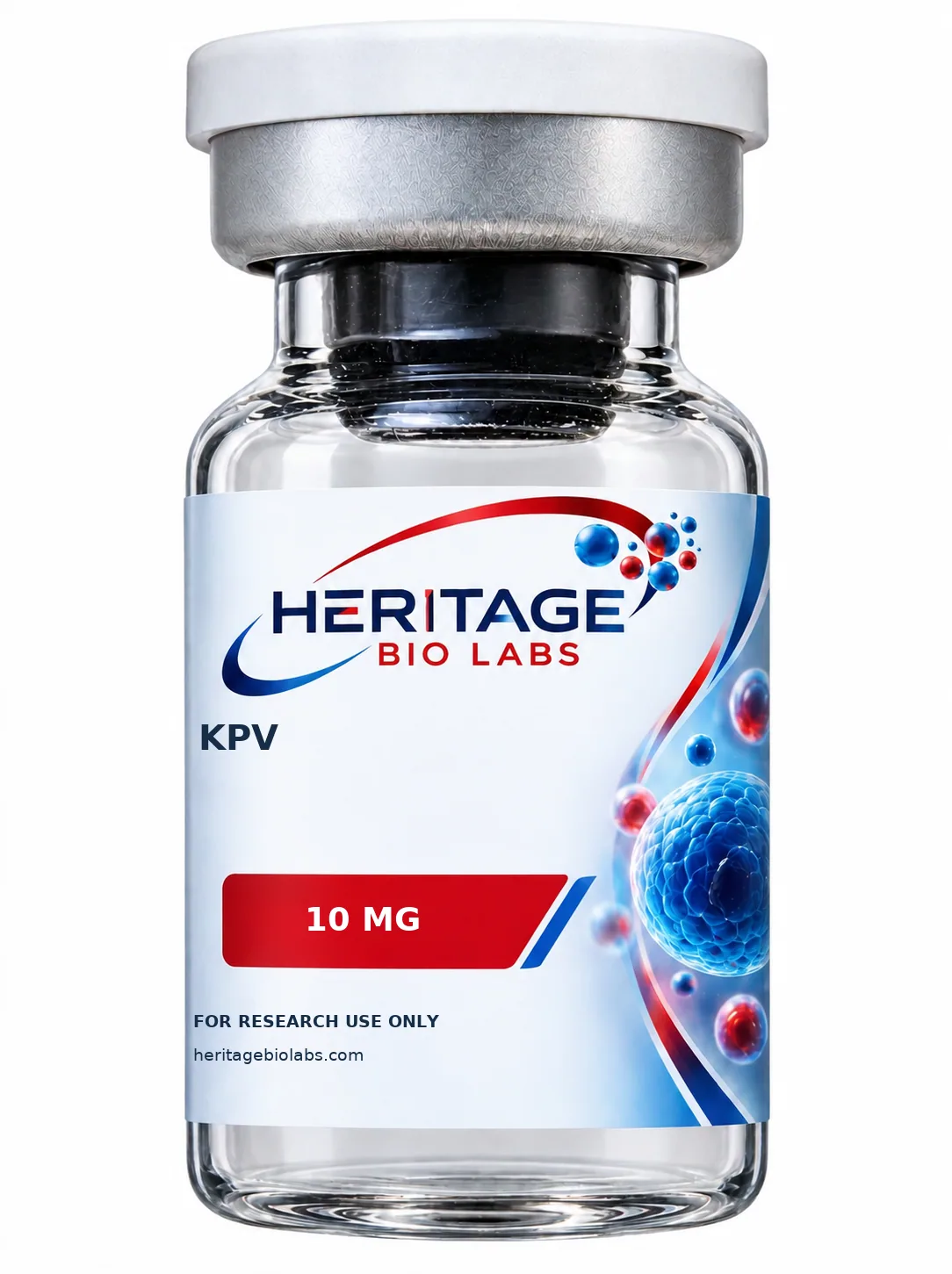
KPV — 10 mg
$49.49
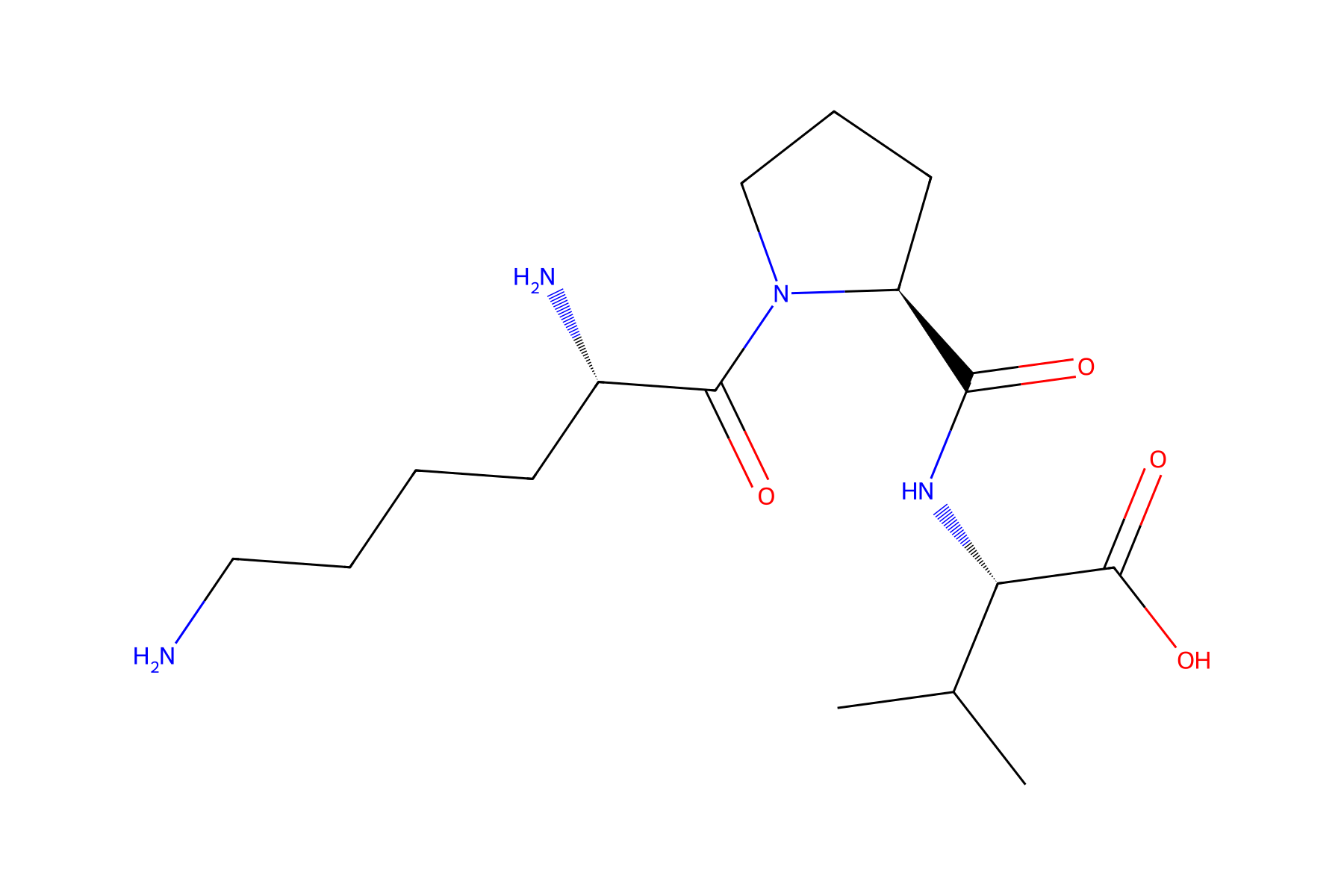
KPV is the lysine–proline–valine tripeptide derived from the end of alpha-melanocyte-stimulating hormone. Cell and mouse studies investigate peptide-transporter uptake, inflammatory signaling, and effects in experimental intestinal inflammation. For research use only; not for human or veterinary use.
Full description
Educational research context. The cited studies and supplier descriptions do not verify the identity, testing, or effects of this Heritage product.
KPV consists of the amino-acid sequence lysine–proline–valine and corresponds to the carboxy-terminal tripeptide of alpha-melanocyte-stimulating hormone. Umbrella Labs presents it as an inflammation-focused research peptide and emphasizes uptake through the intestinal peptide transporter PepT1. In their 2008 Gastroenterology study, Dalmasso and colleagues tested epithelial and immune-cell systems alongside mouse colitis models. They reported PepT1-associated uptake and reductions in inflammatory signaling and intestinal inflammation, linking a transport mechanism to the observed experimental response.
A separate 2008 study of melanocortin-derived KPV also reported reduced inflammation in two murine colitis models, including changes in inflammatory-cell infiltration and tissue myeloperoxidase activity. These findings explain the recurring vendor descriptions involving gut inflammation and anti-inflammatory signaling, while identifying the underlying work as preclinical rather than a human treatment trial. KPV should be distinguished from the full alpha-MSH hormone and from formulations that encapsulate the peptide in nanoparticles or combine it with other substances. Those preparations introduce additional variables; their effects cannot automatically be assigned to an unspecified vial of the free tripeptide.
Sources
- Umbrella Labs: kpv peptide vialSupplier listing (not independent scientific evidence)
- Dalmasso et al.: PepT1-mediated KPV uptakeLiterature record (study type requires review)
- KPV in murine inflammatory bowel disease modelsLiterature record (study type requires review)
For research use only. Not for human or veterinary use; not medical advice.