
Payment Options
 Cash App
 Apple Pay
 PayPal
 Crypto (USDC)
$10 USPS Priority Shipping
Estimated delivery: 2–5 business days. Delivery times may vary.
Orders of $500 or more ship free. Final shipping details at checkout.
SLU-PP-332 — 5 mg
$61.49
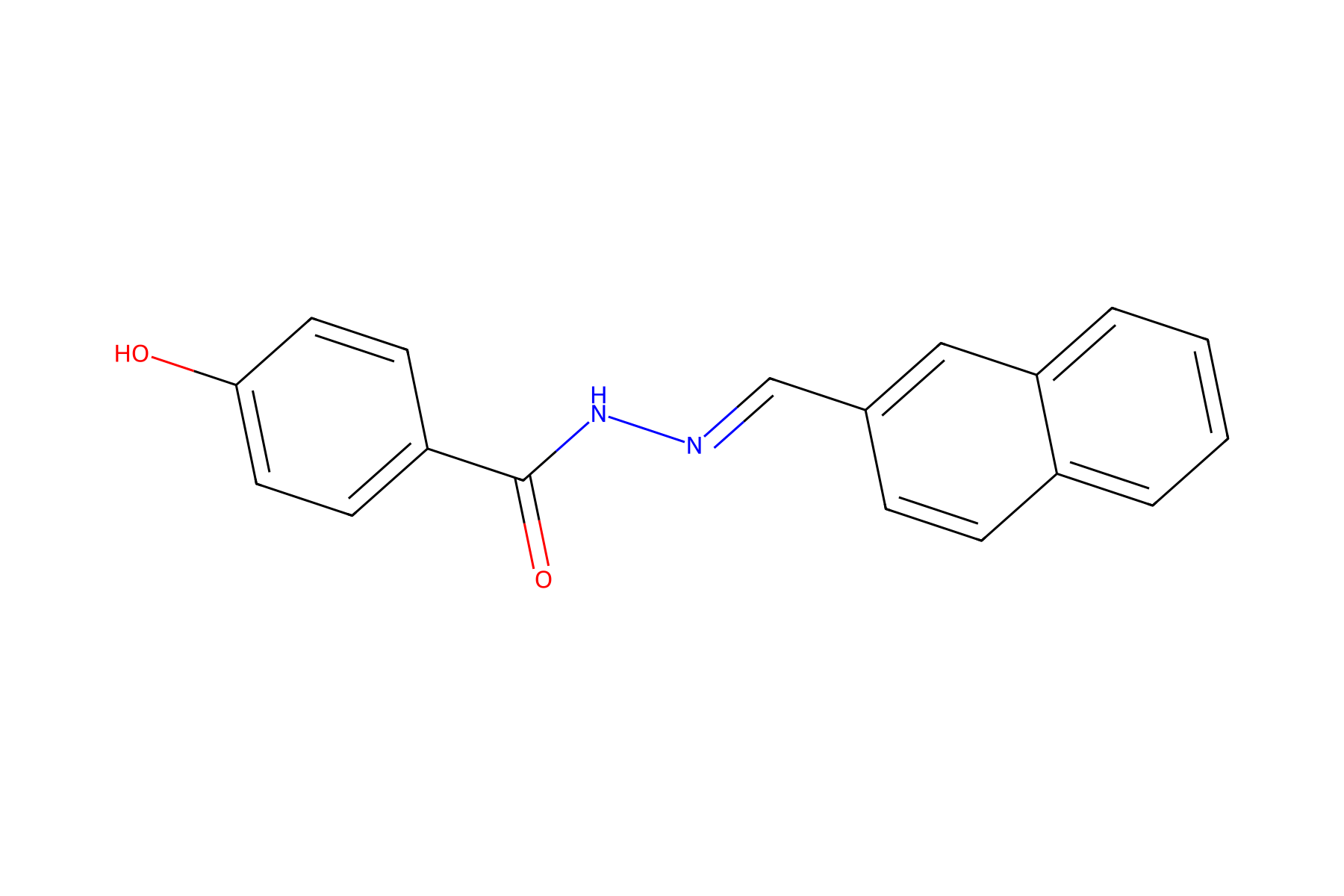
SLU-PP-332 is a synthetic small molecule, not a peptide. It activates estrogen-related nuclear receptors and is described as an exercise mimetic because preclinical studies report exercise-associated metabolic gene expression and improved endurance. For research use only; not for human or veterinary use.
Full description
Educational research context. The cited studies and supplier descriptions do not verify the identity, testing, or effects of this Heritage product.
SLU-PP-332 is a chemical agonist of estrogen-related receptors ERRα, ERRβ, and ERRγ. These nuclear receptors regulate transcriptional programs associated with cellular energy handling and mitochondrial metabolism. Despite its frequent placement alongside research peptides, SLU-PP-332 is not an amino-acid peptide. The term estrogen-related describes the receptor family and should not be confused with calling the compound an estrogen replacement.
An originating research study reported activation of an acute aerobic-exercise-associated gene program, increased oxidative muscle characteristics, and improved exercise capacity in mice. A subsequent metabolic-syndrome study described increased energy expenditure and fatty-acid oxidation, together with reduced fat accumulation and improved metabolic measures in mouse models. These findings underpin the exercise-mimetic and fat-metabolism language attached to the compound. They describe selected biological features of exercise rather than replication of every benefit of physical activity. The primary papers reviewed are preclinical investigations, not demonstrations of human athletic enhancement or weight-management outcomes. Their principal value is identifying ERR signaling as an experimentally accessible regulator of metabolic adaptation.
Sources
- Billon et al. — ERR agonism and exercise capacityLiterature record (study type requires review)
- Billon et al. — metabolic-syndrome researchLiterature record (study type requires review)
For research use only. Not for human or veterinary use; not medical advice.